Altmin starts work on India’s first lithium battery cathode factory
Hyderabad-based startup Altmin is building what it calls India’s first factory to manufacture lithium battery cathodes. By producing lithium iron phosphate cathode active material domestically, the company aims to reduce reliance on imports for a critical battery component.
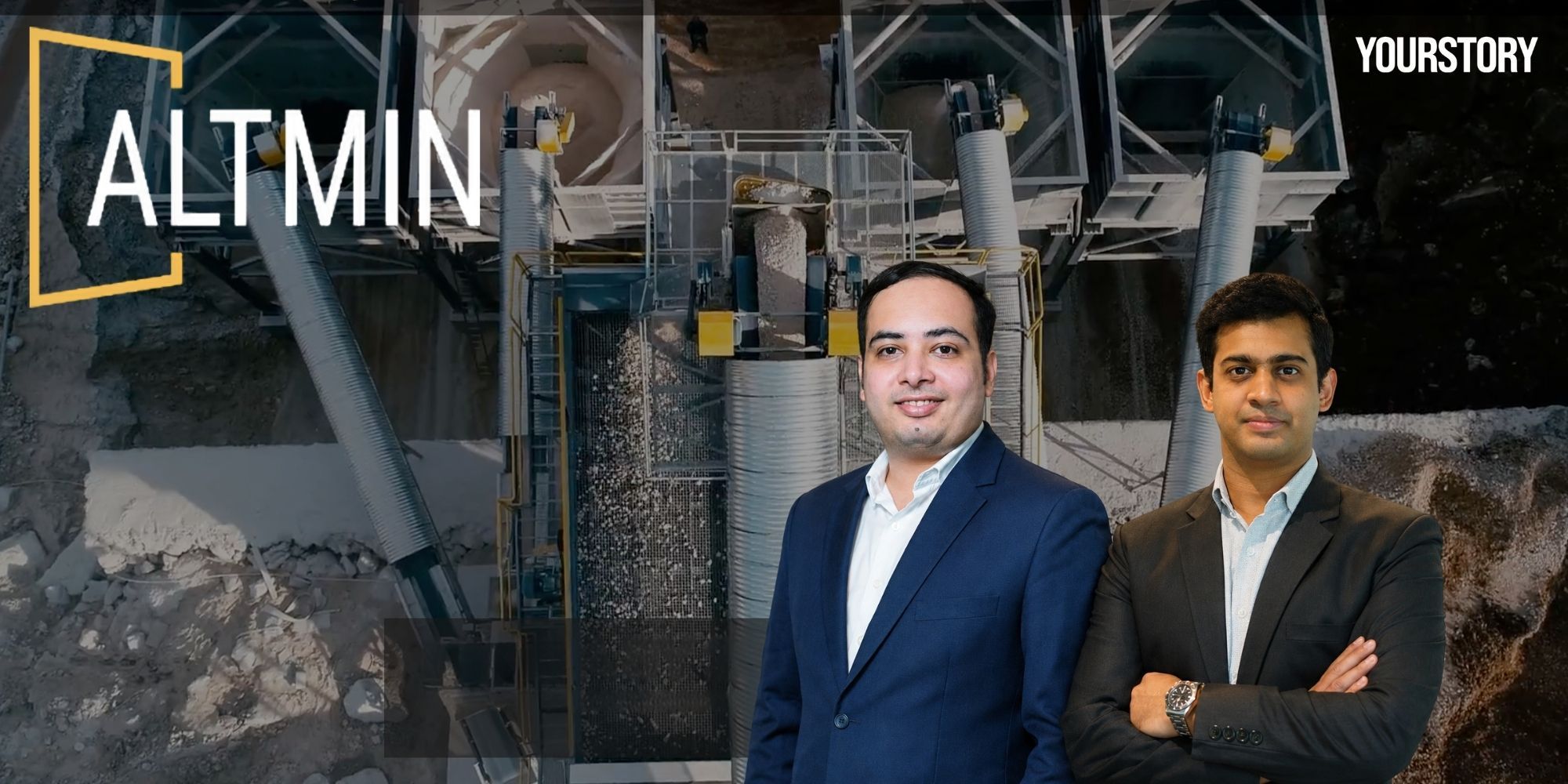
India’s electric mobility and energy storage ambitions depend on a strong local supply chain for lithium-ion batteries. A key bottleneck has been the availability of cathode materials—an essential part of battery cells that India currently imports almost entirely.
Hyderabad-based Altmin is now addressing that gap. The startup is building what it describes as India’s first factory to manufacture the cathodes used inside lithium batteries, according to a report by *YourStory*. The company’s focus is on lithium iron phosphate (LFP) cathode active material.
What Altmin is making—and why it is important Cathodes are one of the core components inside a lithium-ion battery cell, and the material used in the cathode plays a major role in cost and performance. Altmin makes LFP cathode active material, which it describes as the single most expensive component in a battery cell.
In simple terms, this is the chemistry-defining material that influences how a battery stores and releases energy. LFP has become a popular cathode chemistry for many applications because it is widely considered suitable for cost-conscious, durable battery packs used across segments such as electric two-wheelers, buses, and stationary storage.
Until now, India has largely depended on overseas suppliers for cathode materials. That reliance creates challenges for manufacturers—ranging from long lead times and currency exposure to supply uncertainty during global disruptions. Local production, even at an early stage, can make battery supply chains more predictable.
A step towards a more local battery supply chain Altmin’s proposed factory is significant because it targets a part of the value chain that sits upstream of cell assembly. While India has been pushing towards broader battery manufacturing capability, cathode materials remain a critical input that can determine both cost structures and availability.
If the startup is able to scale production and maintain consistent quality, it could support domestic battery cell makers and integrators looking for reliable sourcing. Over time, local cathode manufacturing may also encourage more related activity—testing and certification services, specialised equipment supply, and R&D around process optimisation.
It is also a vote of confidence in India’s deep-tech and industrial startup ecosystem. Materials manufacturing is typically more complex than software-led ventures, requiring process expertise, quality control, and patient capital. Progress in such areas can help India build industrial capabilities that are competitive over the long term.
What to watch next As the project advances, industry observers will track how quickly the facility comes online, the production capacity it achieves, and how it aligns with the requirements of Indian cell and battery pack manufacturers.
Equally important will be the startup’s ability to deliver consistent specifications, meet safety and performance standards, and build partnerships across the ecosystem—from EV makers and energy storage providers to battery recyclers and raw material suppliers.
Altmin’s move, as reported, signals momentum in India’s push to localise critical parts of the clean-energy supply chain. While the journey from factory build-out to large-scale, dependable output takes time, early steps like this can be an encouraging indicator of capability-building within the country.
**Why it matters:** Building cathode manufacturing capacity in India can reduce import dependence for a high-value battery component, strengthen supply-chain resilience, and support the country’s growing EV and energy storage markets through more predictable, locally anchored sourcing.
