Bhoomi exhibition shows how art can support nature and social impact
The ‘Bhoomi’ exhibition at Bengaluru’s Venkatappa Art Gallery brings together creativity and purpose, highlighting how artists and curators are using visual storytelling to spark care for nature and encourage thoughtful social impact through art-led conversations.
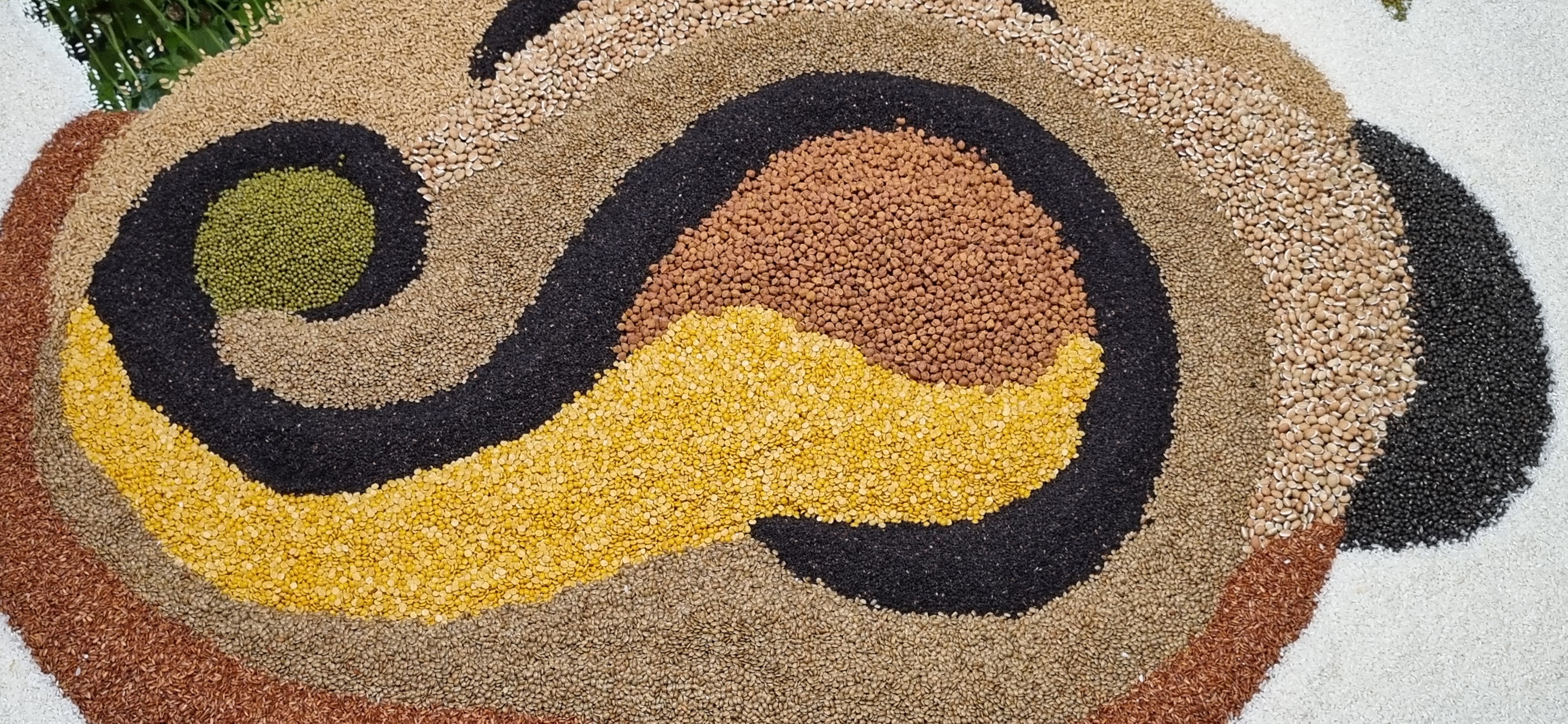
The ‘Bhoomi’ exhibition at Venkatappa Art Gallery in Bengaluru offers a gentle reminder that creativity can be more than personal expression—it can also be a practical bridge to awareness, empathy, and action. Presented as a photo-led showcase, the exhibition foregrounds visual storytelling that centres nature, compassion, and community.
While India’s startup ecosystem is often associated with technology and scale, platforms like ‘Bhoomi’ underline another, equally important kind of innovation: culture-led impact. When artists, curators, and creative entrepreneurs collaborate, they can make public spaces more meaningful—inviting citizens to pause, reflect, and participate in conversations that matter.
A gallery space that invites reflection At Venkatappa Art Gallery, ‘Bhoomi’ positions the earth—not only as landscape, but also as a shared responsibility. Through a curated viewing experience, the exhibition draws attention to the interconnectedness of environment and society, using art as an accessible entry point.
A photo essay format helps visitors engage at their own pace. Instead of pushing a single conclusion, the work encourages observation and interpretation—allowing each person to connect the themes to everyday choices, from mindful consumption to community care.
Importantly, the setting of a public-facing gallery helps widen participation. Exhibitions like this often attract a mix of students, working professionals, tourists, and longtime art patrons—making the conversation broader than a niche circle. That openness can be powerful for causes that require collective ownership, such as environmental stewardship.
Curatorial intent: creativity with compassion The exhibition’s curatorial approach, as highlighted through curator insights in the accompanying coverage, points to a deliberate focus on compassion and nature-forward thinking. Rather than relying on shock value, the emphasis is on thoughtful presentation—using images and narratives to spark curiosity and a quieter kind of motivation.
This is where art-led initiatives align well with the mission-driven side of India’s startup and social enterprise landscape. Many early-stage organisations working on sustainability, climate awareness, waste reduction, or community well-being depend on communication as much as on product design. Art and photography can strengthen that communication—helping complex ideas feel human and relatable.
Curated exhibitions also create room for partnerships. For instance, social ventures can collaborate with artists for campaigns, storytelling, documentation, and community workshops. At the same time, artists can benefit from new avenues to sustain their practice—through commissions, collaborations, and impact-oriented patronage. The result can be a healthy cycle where culture supports cause, and cause supports creative livelihoods.
A constructive model for impact-led communities ‘Bhoomi’ adds to a growing, encouraging pattern across Indian cities: cultural programming that is grounded in public interest and social good. When exhibitions frame environmental care and social impact as shared values, they reduce the distance between “awareness” and “participation”.
For Bengaluru, a city known for its technology talent as well as its cultural institutions, such initiatives can help balance fast-paced growth with deeper community engagement. For young founders, creators, and students, the exhibition also offers a reminder that impact does not always need a complex solution—sometimes, it begins with attention and intention.
As India expands its climate and sustainability conversations across policy, business, and daily life, art spaces can play a supportive role: making room for dialogue, strengthening civic imagination, and encouraging citizens to see environmental responsibility as part of modern living.
**Why it matters:** ‘Bhoomi’ shows how art can translate big themes—nature, compassion, social responsibility—into experiences people can feel and discuss, strengthening the cultural foundations needed for lasting, community-led impact in India.
