Bhoomi at Venkatappa: art, nature and social impact in focus
The ‘Bhoomi’ exhibition at Bengaluru’s Venkatappa Art Gallery brings together artists and a curator-led vision to spotlight nature, compassion and community impact. The show demonstrates how creative practice can support awareness, dialogue and responsible action.
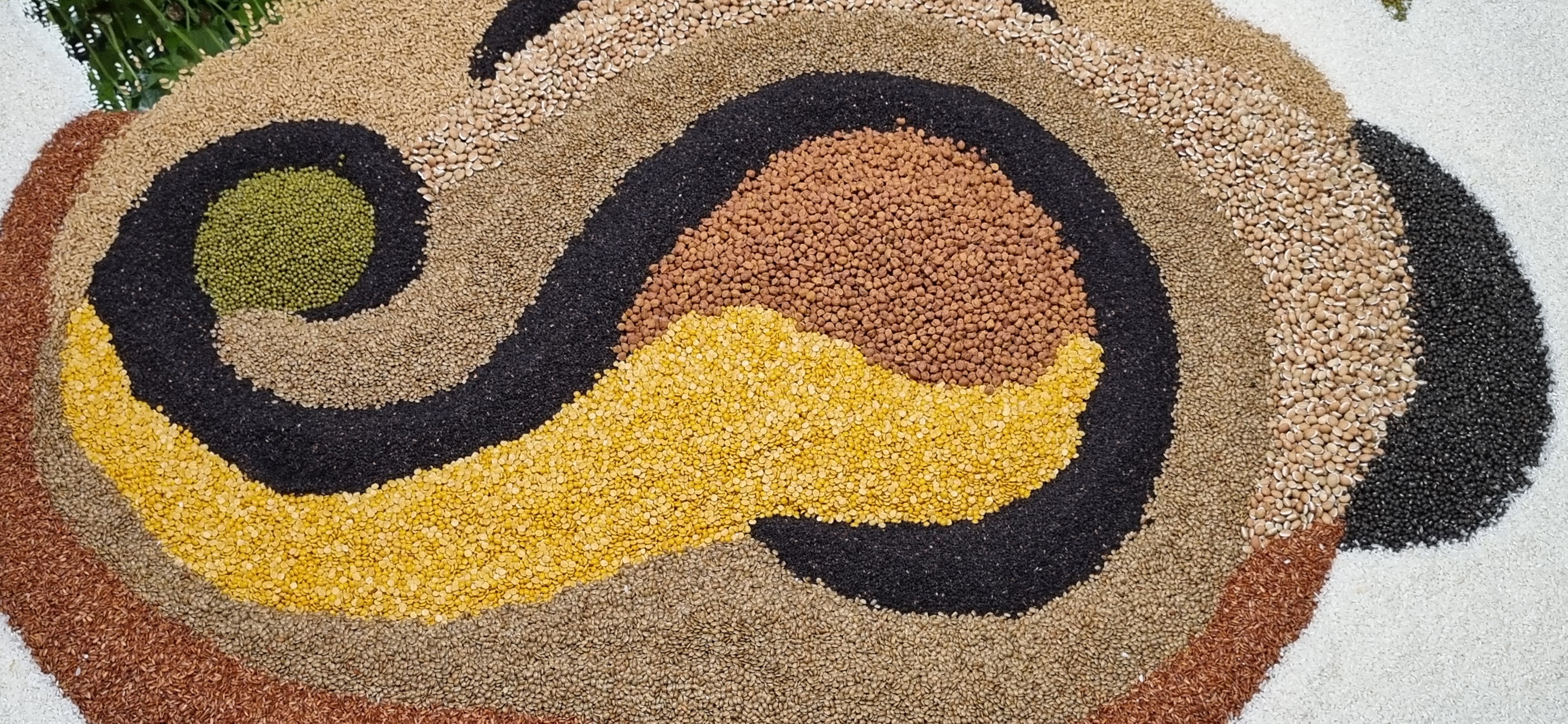
The ‘Bhoomi’ exhibition at Bengaluru’s Venkatappa Art Gallery offers a refreshing reminder that art can be more than aesthetic— it can also be a thoughtful bridge between people and the planet. Presented as a photo-essay feature with curator insights, the show places nature and social impact at the centre, inviting visitors to slow down, observe and reflect.
Rather than chasing spectacle, Bhoomi’s strength lies in its grounded theme. The exhibition’s framing—creativity for nature and compassion—encourages a quiet, deliberate engagement with ideas that matter to everyday life in India: environmental care, community wellbeing, and the values that shape how we live together.
A gallery experience shaped by purpose At Venkatappa Art Gallery, Bhoomi is positioned as an exhibition with intent. Its focus on “Bhoomi”—a word that evokes earth, land and belonging—signals a wide canvas for interpretation. The photo essay approach helps capture this mood: it allows the audience to take in the works as a journey, while the curator’s perspective provides a guiding thread.
The curatorial emphasis, as highlighted in the source context, keeps the exhibition cohesive without narrowing it. Instead of prescribing a single message, the show appears to encourage multiple entry points: some viewers may connect through the lens of ecology; others may be drawn to themes of empathy, responsibility, and collective care.
In a city that is home to fast-growing technology and startup ecosystems, a public-facing art exhibition like this also plays a complementary role: it creates cultural space for civic conversations. It is a reminder that innovation is not only about products and platforms—sometimes, it is also about how communities imagine better futures.
Creativity that supports nature and social good Bhoomi’s core proposition is simple and constructive: creativity can help build awareness and inspire action. Art can make complex challenges—such as ecological stress or social inequity—feel more human and immediate, without reducing them to headlines.
The exhibition’s orientation towards nature and compassion suggests an emphasis on shared responsibility. For audiences, such themes can translate into everyday choices: how we consume, how we conserve, and how we include. For creators and organisers, it can mean designing cultural initiatives that are accessible, participatory and aligned with broader public good.
From a startups lens, this matters because purpose-led thinking is increasingly visible across India’s entrepreneurial landscape—whether it is in sustainable materials, circular economy solutions, mental health support, or community-led development models. Cultural initiatives like Bhoomi can strengthen this ecosystem by shaping public imagination and motivating collaboration between artists, institutions, citizens and mission-driven ventures.
A constructive platform for dialogue Exhibitions anchored in social impact work best when they are open-ended, allowing art to do what it does naturally: create conversation. Bhoomi’s presence at a prominent public gallery lends it reach, while the curator-led framing provides viewers with tools to interpret the work, ask questions and take away a personal meaning.
Importantly, such initiatives also demonstrate a positive civic rhythm: public institutions hosting thoughtful programming; artists using their practice to engage with contemporary concerns; and audiences participating in cultural experiences that go beyond entertainment.
As India continues to build new forms of innovation—across climate tech, social enterprises and creative industries—Bhoomi is a timely example of how cultural platforms can complement economic progress with values-based reflection.
**Why it matters:** Purpose-driven art like Bhoomi can deepen public awareness, encourage empathy and spark collaborations that support sustainability and social wellbeing—strengthening the cultural foundations that help responsible innovation thrive.
