Centre issues largest battery storage tender to strengthen solar power integration
The Centre has issued its largest tender for battery energy storage linked to solar power, marking the first tranche of a wider push to add more renewable electricity to India’s grid. The move aims to improve reliability and round-the-clock clean supply.
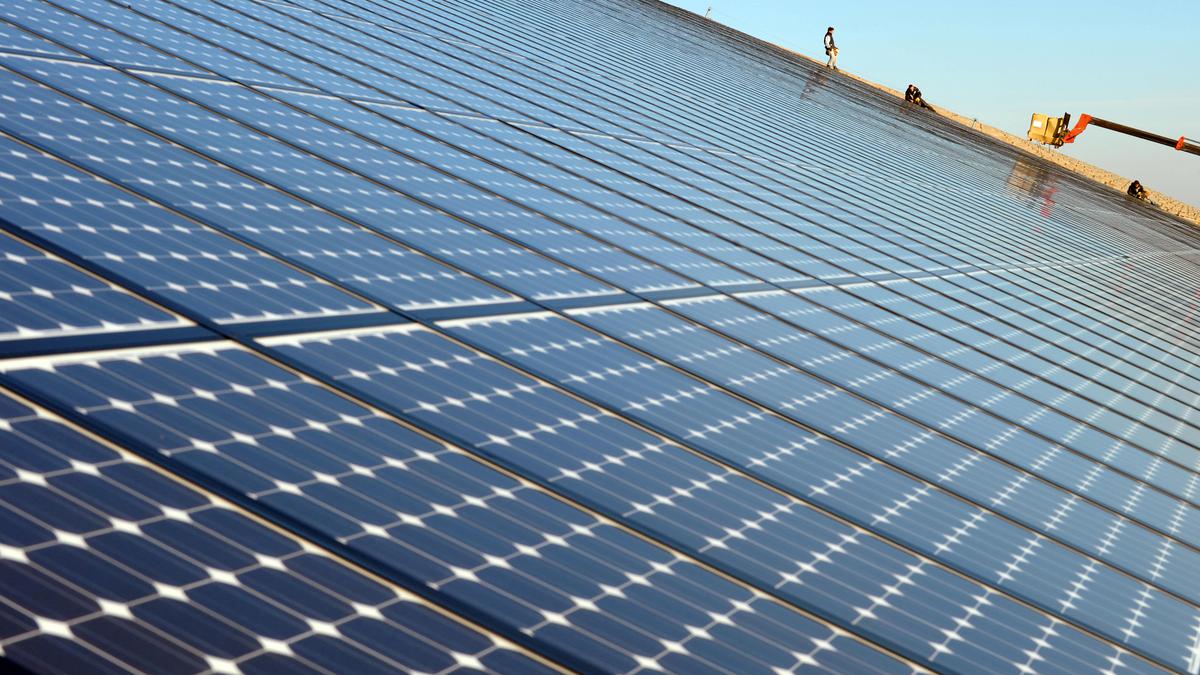
India’s clean energy transition received a practical boost as the Centre issued its largest tender so far for battery energy storage systems (BESS) tied to solar power. The tender is positioned as the first tranche of the government’s broader target to inject more renewable energy into the national grid.
By pairing solar generation with battery storage, grid operators can store electricity when sunshine is abundant and then release it later, especially during evening peaks or when generation dips. This helps improve the usability of renewable power—not just its capacity—by making supply smoother and more predictable.
A milestone tender focused on grid-ready renewables The new tender is significant because it places storage at the centre of renewable integration. Solar power has grown steadily, but its output naturally varies across the day. Battery storage helps bridge that gap, enabling cleaner electricity to be dispatched when demand is highest.
As the first tranche under a larger national push, the tender signals an intent to scale up storage deployment in a structured manner. Large tenders also tend to bring standardisation to contracting and performance expectations, giving project developers, lenders and manufacturers clearer benchmarks to plan around.
While the tender itself is a procurement step, its larger value lies in what it enables: more renewable energy flowing into the grid in a form that supports stability and reliability, alongside conventional sources.
What battery storage can unlock for consumers and industry Battery energy storage can add flexibility to the grid. Instead of relying only on real-time generation, utilities can shift renewable energy across hours—absorbing excess supply and delivering it later. In practical terms, that can help:
- Manage peak demand more efficiently by supplying stored energy during high-load periods.
- Reduce curtailment of solar power by storing surplus generation instead of backing it down.
- Support smoother grid operations by responding quickly to fluctuations in supply and demand.
For businesses, particularly energy-intensive sectors and firms with sustainability commitments, a stronger grid with higher renewable penetration can improve access to cleaner power over time. For households, the broader system benefit is improved reliability as renewables scale.
The tender also underlines an emerging opportunity for India’s clean-tech ecosystem—covering battery manufacturing, system integration, software for energy management, and project operations. As storage becomes more mainstream, demand for skilled jobs in engineering, commissioning, safety compliance and maintenance is expected to rise.
A step in a larger renewable pipeline Framed as the first tranche, the tender suggests that more procurement rounds could follow as the government works towards its stated objective of injecting more renewable energy into the national grid.
For market participants, clarity and consistency in such tenders can encourage investment across the value chain, from cell and battery pack manufacturing to power electronics and grid services. For policymakers and system planners, the focus on storage reflects a shift from simply adding renewable capacity to ensuring renewables can serve demand in a dependable way.
The larger takeaway is that storage is increasingly being treated as core infrastructure for a modern electricity system—supporting clean power at scale rather than as an add-on.
**Why it matters:** Battery storage helps convert solar power into reliable, grid-friendly electricity, enabling India to add more renewables without compromising stability and supporting long-term energy security and growth.
