Curiosity over expertise: lessons for startups from a Ritz-Carlton Bengaluru art walk
A photo essay from The Ritz-Carlton, Bengaluru spotlights how careful observation, design thinking and playful experimentation can unlock fresh ideas. For founders and teams, the art walk is a timely reminder: curiosity often beats credentials when building something new.
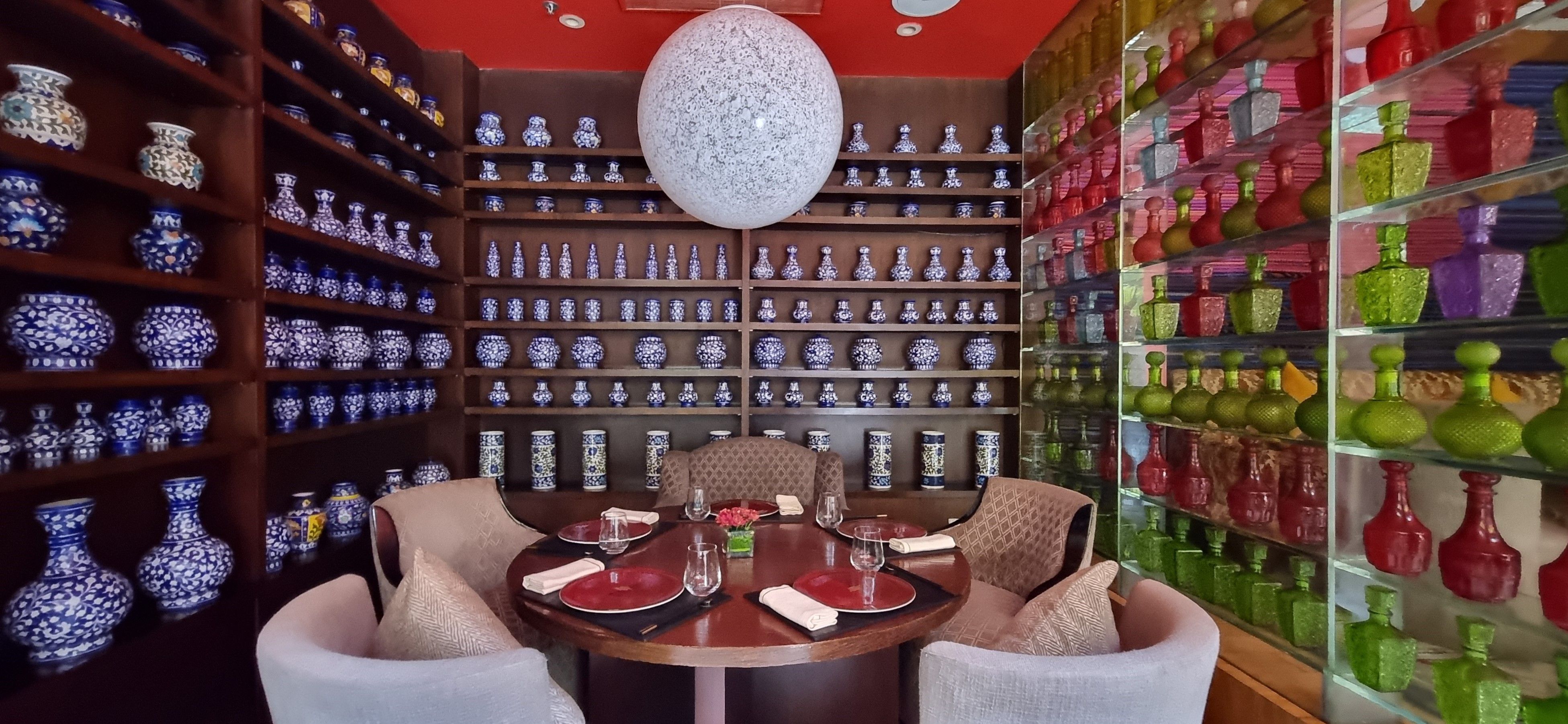
Curiosity is frequently described as a “soft” skill, but for startups it can be a hard advantage. A recent photo essay by YourStory, set within The Ritz-Carlton, Bengaluru, showcases artistic and design highlights through an “art walk” that invites guests to look closely, ask questions and notice what is usually overlooked.
While the setting is hospitality, the underlying message travels well into India’s startup corridors: expertise matters, but curiosity often decides whether a team can explore new directions, learn quickly, and craft better experiences for users.
The art walk as a lens for innovation An art walk is simple in format—moving through spaces with intent—but powerful in effect. Instead of rushing from one point to another, it encourages viewers to pause, observe textures, patterns, light, and material choices, and reflect on why something feels cohesive.
In a startup context, this practice maps neatly to product discovery. Great ideas are rarely “downloaded” fully formed. They are assembled from small signals: a customer’s hesitation, a repeated workaround, an unspoken frustration, or a surprising moment of delight. The art walk, as captured in the photo essay, underlines the value of slowing down enough to see these signals.
Design-led organisations often speak about the importance of framing the right problem before building solutions. Curiosity helps with that framing. It is the habit of asking:
- What is the user truly trying to achieve?
- What assumptions are we carrying from our past experience?
- What would we notice if we observed without trying to prove a point?
For founders, this also becomes a leadership cue: create time and permission for teams to explore, not just execute.
What startups can take from creative spaces The highlights showcased in the Ritz-Carlton Bengaluru art walk reinforce a broader point: environments influence behaviour. Thoughtful interiors are not just decorative; they guide attention and shape mood. For startups building digital products, services, or physical experiences, the parallel is direct—every touchpoint communicates, even the “in-between” moments.
Three practical takeaways stand out:
**1) Curate what you want users to feel.** Design is not only about what users do; it is also about how they feel while doing it. The photo essay’s focus on aesthetics and detail is a reminder to treat trust, calm, and clarity as design outcomes—especially in fintech, healthtech, and consumer services.
**2) Use constraints to unlock originality.** Creative choices within a defined space—lighting, materials, and layout—show how constraints can drive coherence. Startups face constraints every day: budgets, timelines, and limited teams. Curiosity helps convert constraints from blockers into prompts: “Given this limitation, what is a smarter way to serve the same need?”
**3) Build a culture of noticing.** Curiosity is not a solo trait; it can be a team habit. Regular “walkthroughs” of customer journeys, support tickets, onboarding flows, or even competitor experiences can function like an art walk—structured observation followed by discussion.
From expertise to exploration: a founder’s daily practice Expertise can accelerate decisions, but it can also narrow options. In fast-changing markets, curiosity keeps teams adaptable. It encourages small experiments, faster learning loops, and a willingness to be surprised by evidence.
A useful way to operationalise this is to treat curiosity like a discipline:
- Schedule short “observation hours” where teams review real user behaviour and feedback.
- Keep a shared “questions backlog” alongside the product backlog.
- Reward teams for insights and learnings, not only for launches.
The Ritz-Carlton Bengaluru art walk, as presented in the YourStory photo essay, offers a gentle but compelling cue: creativity is not reserved for artists. It is a practical capability, strengthened by attention, humility, and the courage to ask better questions.
**Why it matters:** For India’s startups, curiosity is a scalable advantage—helping teams learn faster than the market changes, design more thoughtful products, and build resilient cultures where exploration supports growth.
