Fabindia at 66: Lessons in building a brand that stays in customers’ lives
After 66 years of retailing Indian craft, Fabindia is doubling down on consistency over hype. Managing Director William Bissell says the goal is to be a steady presence in customers’ daily lives—while keeping artisans, quality and trust at the centre.
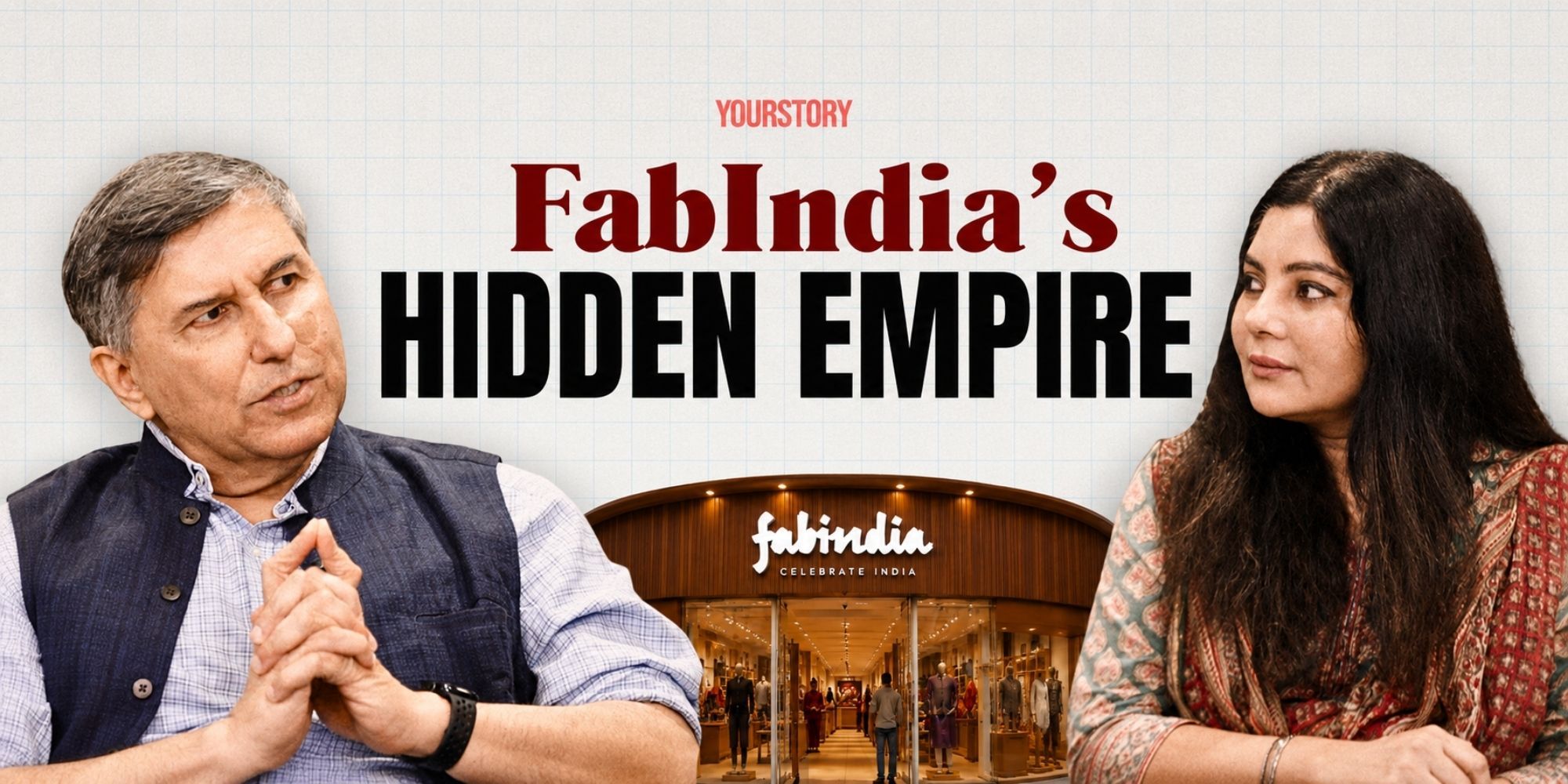
Fabindia’s journey—spanning 66 years—offers a rare view into what it takes to build an enduring Indian consumer brand without losing sight of the people and traditions that power it. In remarks highlighted by YourStory, Managing Director William Bissell framed the company’s approach simply: Fabindia would rather be a constant in a customer’s life than the brand of the moment.
That philosophy may sound understated in an age of rapid trends and viral launches. Yet, for a business built around handcraft, natural materials and long-term artisan relationships, it is also a practical strategy—one that aligns with how trust is earned and retained in retail.
Choosing consistency over ‘brand of the moment’
Retail today is often driven by speed: fast refresh cycles, aggressive discounting, and constant novelty. Fabindia’s core learning after decades in business is that longevity is not built on momentary attention, but on repeat confidence.
Bissell’s emphasis on being a “constant” points to a brand promise that customers can return to across life stages—whether they are buying everyday wear, gifts for family occasions, or home products that reflect Indian aesthetics. The idea is less about chasing every new micro-trend and more about staying dependable: familiar design cues, reliable quality, and a shopping experience that feels rooted rather than rushed.
For Indian startups and D2C brands, this is an important reminder that brand-building does not always have to be loud. In categories where touch, feel, fit and craft matter, “quiet consistency” can become a differentiator—especially when customer acquisition costs rise and loyalty becomes the true growth engine.
Indian craft as a long-term supply chain, not a marketing theme
Fabindia’s identity is deeply linked to Indian craft. Over the years, that association has shaped not just its product range, but also how it thinks about sourcing, design, and the livelihoods that sit behind each item.
Selling craft at scale is not as simple as amplifying a heritage story. It requires patient systems—stable procurement, quality checks suited to handmade variation, and an ability to balance authenticity with changing consumer preferences. The larger lesson is that craft is a living ecosystem, not a seasonal campaign.
When a brand treats craft as a long-term supply chain, the outcomes can be constructive: artisans get predictable demand, skills stay relevant through contemporary design inputs, and customers receive products that feel personal rather than mass-produced. This is where legacy retail can still offer modern relevance—by proving that heritage and scalability need not be opposites.
For India’s growing startup ecosystem, Fabindia’s experience underlines an opportunity: building businesses that create value beyond the checkout counter. Whether it is in textiles, home décor, beauty, or food, enterprises that invest in durable producer relationships can develop stronger resilience and differentiation.
What endurance can look like in modern Indian retail
At 66, Fabindia’s continuing relevance suggests that endurance is not merely about staying in business—it is about staying meaningful. That involves making room for new customer expectations while protecting the core that brought customers in the first place.
Bissell’s framing also hints at a broader retail truth: brands that endure often do not attempt to win every day. They focus on staying present in the customer’s mental shortlist—through trust, familiarity, and a clear point of view.
In practice, that can mean investing in product integrity, store experience, and storytelling that respects the consumer’s intelligence. It can also mean building organisational patience—accepting that some kinds of brand equity compound slowly, but can become more defensible over time.
**Why it matters:** In a fast-changing market, Fabindia’s 66-year playbook shows how Indian businesses can grow by prioritising trust, steady value and craft-led ecosystems—an approach that supports livelihoods while building brands customers return to for years, not just seasons.
