Range anxiety is really about charging certainty, not battery size
India’s EV range anxiety increasingly comes down to uncertainty at the charging station—whether a charger is working, how long the wait will be, and how busy a site is. Startups can help by delivering reliable, real-time charging information.
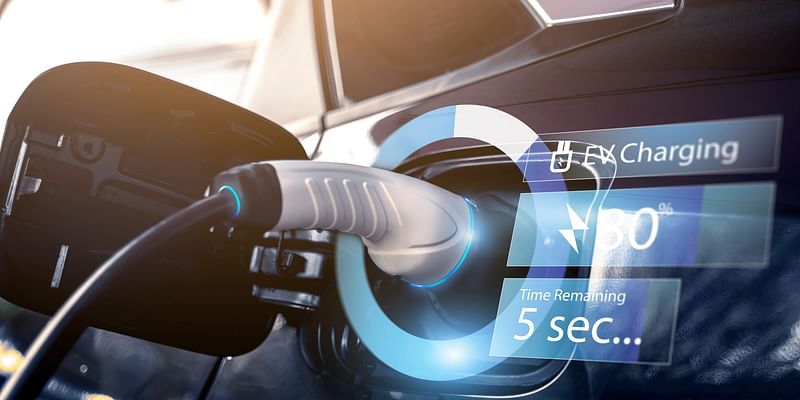
Range anxiety is often discussed as a battery problem—kilometres left, pack capacity, and the next big chemistry breakthrough. But for many Indian EV drivers, the worry is more practical: uncertainty at the charging station.
As highlighted in a recent YourStory perspective, the next phase of India’s EV infrastructure will need to focus not only on more chargers, but also on dependable, real-time information. A driver considering a detour to a charging point wants simple answers before turning off-route: Is the charger available? Is it operational? How long is the likely wait? How busy is the station right now?
This shift in thinking matters because India’s charging network is expanding, and user confidence is now becoming a key lever for adoption.
Uncertainty is the real friction point Even when a vehicle has sufficient range on paper, the decision-making stress can rise if the charging experience feels unpredictable. A single unknown—like arriving to find a charger occupied, out of service, or moving slowly—can turn a routine trip into an anxious one.
In everyday terms, drivers are not only planning energy usage; they are planning time and reliability. That is why “range anxiety” can persist even with improved batteries. If drivers cannot trust what they will encounter at the charging stop, they may prefer to charge early, avoid certain routes, or postpone EV use for longer trips.
The YourStory view underlines a clear requirement: India’s infrastructure build-out must treat information as core infrastructure. It is not enough to have a charger listed on a map. Drivers need confidence in the status of that charger before they commit to reaching it.
Real-time charging information: a startup opportunity This is where India’s startup ecosystem can play a constructive role. The gaps are not only physical; many are digital and operational.
A reliable layer of real-time information can include:
- **Charger status visibility** (available, in use, under maintenance)
- **Realistic waiting-time estimates** based on current utilisation
- **Station busyness indicators** to help drivers choose between nearby options
For founders, this opens up a category that sits at the intersection of mobility, software, and infrastructure operations. Solutions could involve better monitoring, data-sharing between operators, predictive analytics for queues, and consistent customer experience across charging locations.
Importantly, the goal is not to create more noise in an already crowded app landscape, but to build trust through accuracy. In EV infrastructure, a wrong “available” signal can be worse than no signal at all.
What India’s next phase of rollout can prioritise As charging networks scale, a constructive next step is to ensure that information quality improves along with physical coverage. Reliability and transparency can reduce uncertainty for drivers and also help charging operators manage demand better.
A few practical priorities emerge from the YourStory framing:
- **Operational reliability and communication**: drivers should know the status before they arrive.
- **Queue and utilisation visibility**: a realistic sense of waiting time helps planning.
- **Consistency across locations**: the experience should not vary wildly from one station to another.
None of this replaces the need for more chargers—India will continue to build them. But it complements the rollout by making existing assets more usable. When drivers can plan with confidence, they are more likely to choose EVs for broader use cases, including inter-city travel.
**Why it matters:** India’s EV transition can accelerate when charging feels predictable. By pairing physical infrastructure with reliable, real-time information, startups and operators can reduce uncertainty, improve user confidence, and make electric mobility more convenient for everyday travel.
