Western Ghats’ elephant whisperers and cinema’s quiet heroes
With The Elephant Whisperers earning a nomination at the 95th Academy Awards, attention has returned to the Western Ghats and its real-life caretakers. The region’s films and documentaries continue to celebrate unsung heroes through gentle, human stories rooted in nature and community.
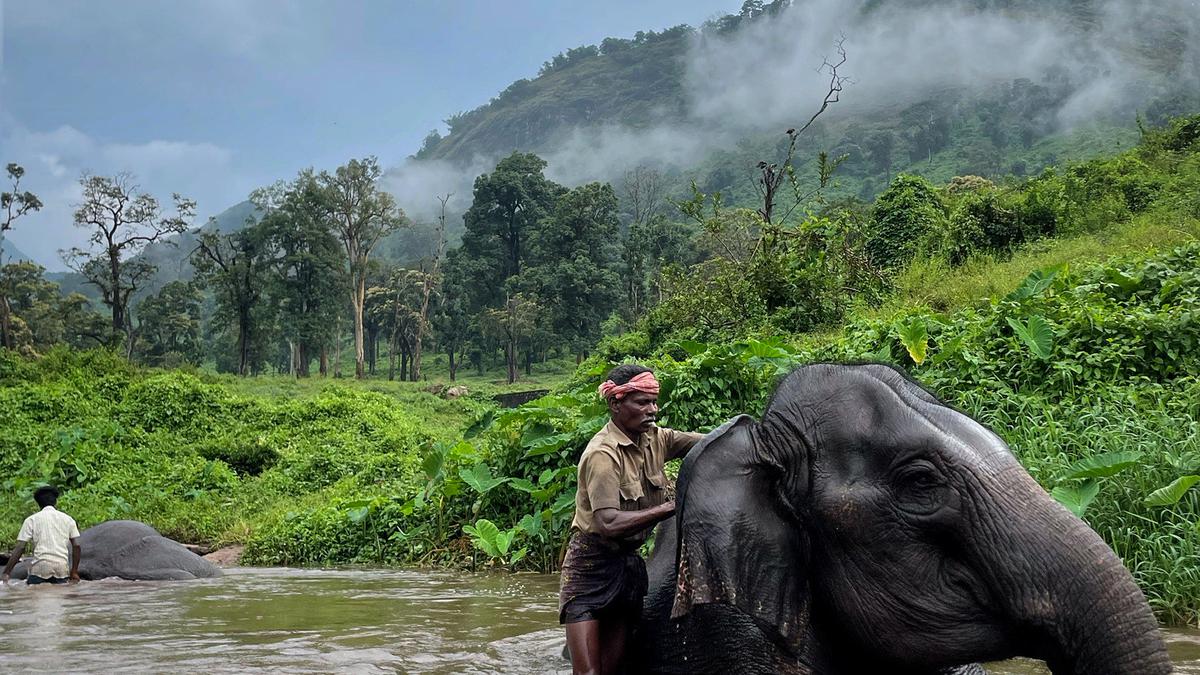
The Western Ghats have long inspired storytellers with their lush landscapes, layered cultures and close-knit communities living alongside wildlife. In recent years, that cinematic attention has increasingly turned towards people whose work rarely makes headlines—caretakers, forest staff, and everyday citizens who protect, heal and coexist with the natural world.
A notable global moment for this theme came when *The Elephant Whisperers*—a film linked to lives shaped by conservation and care—received a nomination at the 95th Academy Awards. Beyond awards season, it has also encouraged wider curiosity about the Western Ghats as a creative setting and a living ecosystem, and about the individuals whose patience and compassion sustain both animals and communities.
The Western Ghats on screen: a place, a relationship The appeal of the Western Ghats in cinema is not only visual. Filmmakers are drawn to the relationship the region fosters between people and nature: daily routines shaped by weather, forests, rivers and migration patterns—human and animal alike.
In many stories from the Ghats, the landscape is not a backdrop but a participant. The forest creates stakes, responsibility and sometimes vulnerability, yet it also offers livelihoods and cultural continuity. This is why films emerging from or set in the region often feel grounded: they observe rather than exaggerate, and they value lived experience over spectacle.
When a film such as *The Elephant Whisperers* reaches international audiences, it can help broaden the idea of what “entertainment” can achieve—inviting viewers into real worlds with dignity, and showing care work as purposeful, skilled and emotionally intelligent. It also reminds us that India’s biodiversity has storytellers as well as guardians, and the two roles can reinforce each other.
Unsung heroes: care, craft and community The phrase “elephant whisperers” resonates because it points to an approach that is quiet, consistent and humane. Whether the work involves rescue, rehabilitation, monitoring, or simply creating safer boundaries between settlements and forests, such efforts depend on observation, trust-building and deep local knowledge.
Cinema has a way of making this visible without turning it into a headline-driven drama. The strongest films about conservation rarely flatten characters into heroes or villains; instead, they show the complexity of coexistence—how people worry about crops and safety while still respecting wildlife, and how frontline workers balance compassion with caution.
Crucially, these narratives also spotlight communities: families who support one another, local expertise passed across generations, and institutions that bring structured care to animals and landscapes. In a region as ecologically rich as the Western Ghats, every act of responsible care—however small—adds up.
A positive cultural ripple: attention, empathy and responsible travel Awards recognition and wider viewing can create a constructive ripple effect. It can spark interest in the Western Ghats’ creative industries, encourage audiences to seek out more region-rooted stories, and expand appreciation for documentary and non-fiction formats that are often under-served in mainstream entertainment.
For viewers, such films can also build empathy: not as a fleeting emotion, but as a way of understanding the practical work behind conservation. For the region, increased attention can translate into better awareness of ecological sensitivity—especially if audiences approach travel and recreation responsibly, following local guidance and supporting sustainable livelihoods.
The most heartening outcome is when a film helps audiences value patience and care as strengths. In a fast-paced media environment, the Western Ghats’ stories offer an alternative rhythm—one where progress is measured in trust earned, habitats protected, and relationships maintained.
**Why it matters:** Stories from the Western Ghats celebrate care work and coexistence, strengthening public appreciation for conservation and community knowledge—while opening doors for more responsible, region-rooted Indian storytelling on the global stage.
